
A Level Biology
Key details
- Student types
- 16 - 18 coursesA Levels
- Course type
-
A Level course
- Course level
-
Level 3
- Start date
- Location
- High Pavement Sixth Form Chaucer Street, Nottingham, NG1 5LP
- Course code
- Parent course code:C000450 Child course code: Q000527
Course introduction
Biology is the study of life in all of its forms. It combines problem solving with practical skills and enables you to develop a scientific approach to the subject.
The course covers the AQA specification. This includes topics such as biological molecules, cells, genes and health, body systems such as the cardiovascular, digestive system and immune, disease, biodiversity and ecology. The year two curriculum builds on what is covered in year one, and includes areas such as forensics, where you will complete an additional practical to profile real human DNA.
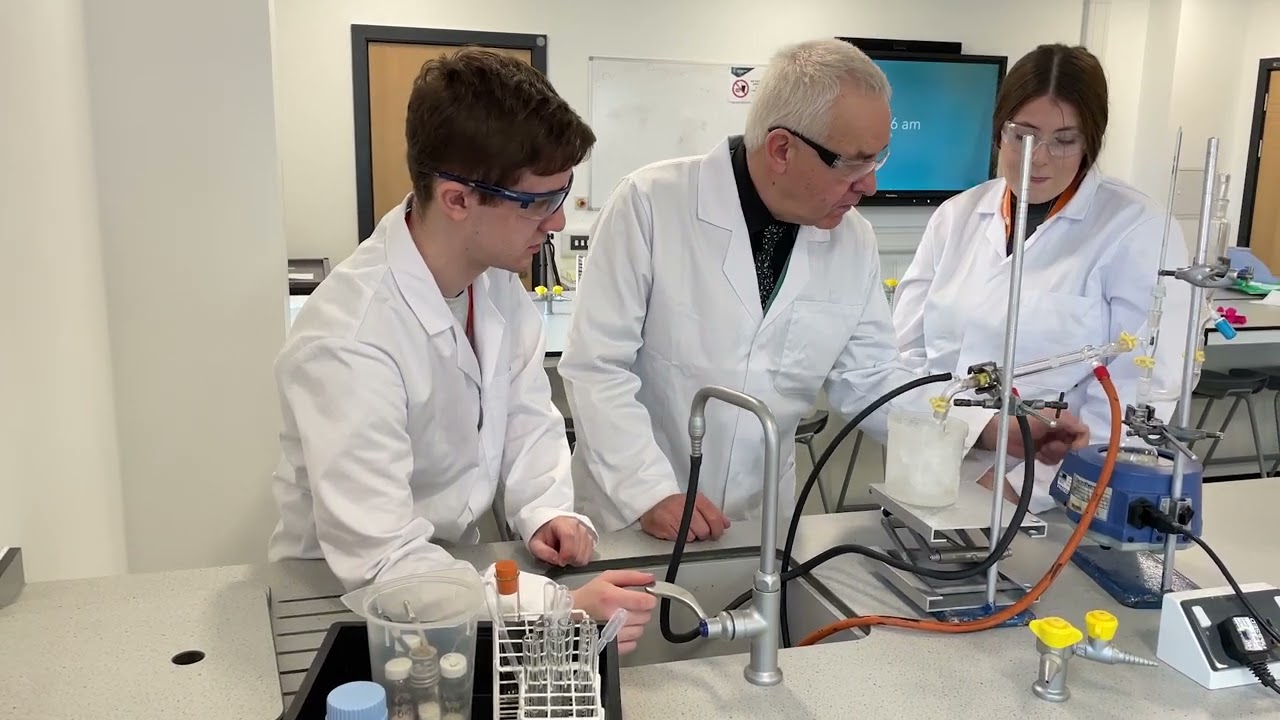
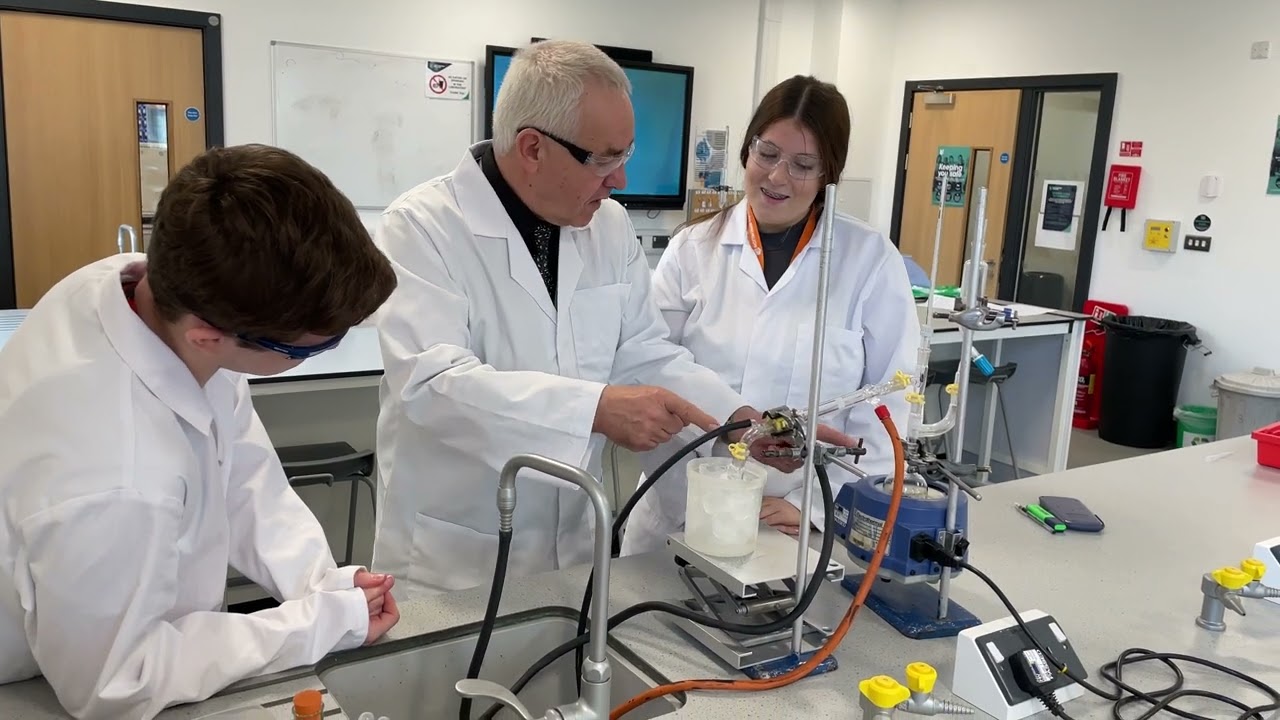
There are 12 required practical components in total across the two years but you can expect to do more than this. You will be doing a good combination of practical and theory-based work throughout your studies in this subject.
A field trip is a key component of our ecology and environment topic. This trip is required in order to complete a required practical and there may be a small cost for this. There is also an option to complete this trip as part of a residential, to further explore ecology beyond the curriculum. More details of this will be available when you enrol with us.
As a student of Biology, you will also have access to Uplearn to support your independent study.
You will typically study this course alongside 2 or 3 other A Levels and you will be able to select your chosen subjects when you apply online.
You can choose any A Level combination when you apply but with A Level Biology we find that A Level Chemistry goes particularly well alongside. This combination unlocks a range of higher level study options at University. Other complementary subjects include Maths, Physics, Sport, Geography, Geology and Psychology. It is recommended that you take A Level Biology alongside another science or maths-based subject.

You will be encouraged to participate in a 30-hour work placement while you are studying.
Read moreCourse information
2 years
AQA A Level Biology
To study 3 A Levels, including A Level Biology, you’ll need at least 5 GCSE’s at grades 9-4 including GCSE English at grade 4 or above and Maths at grade 6 or above.
To study 4 A Levels you’ll need at least 6 GCSE’s at grades 9-7 including GCSE English and Maths at grade 7 or above.
The following qualifications are NOT accepted:
- GCSE Applied Science
- GCSE Combined Science: Synergy
- BTEC Science
One of your GCSEs must be a Grade 6 or above in GCSE Biology. This also includes a 6/6 in Combined Science/Science Trilogy. You must also have a 6 or above in GCSE maths. If you do not meet the entry requirements in science and maths at GCSE but have a grade 4 in these subjects, we recommend you do applied science as an A Level equivalent option, alongside two other A Levels. This includes biology, chemistry and physics and is a mixture of exams and coursework. We can switch you to this option at enrolment, if you have applied to do Biology but do not meet the entry requirements (and still want a science option).
You will complete 3 exams, each being 2 hours long. Year 1 content is assessed on paper 1 and year 2 content is assessed on paper 2. Paper 3 includes all topics, as well as an essay question, which makes up about a third of the marks for the paper. To prepare you for these, you will complete tests throughout your studies and homework assessments. As a student of Biology, you will also have access to Uplearn to support your independent study.
The course covers a broad range of biological topics and may be used for progression to university to several areas relating to science and biology.
Examples of courses previous students have progressed to include medicine, veterinary medicine, dentistry, pharmacology, biomedical science, biochemistry, physiotherapy, paramedic science, biology, genetics, zoology, ecology, neuroscience, cancer biology.
The course will also allow for progression onto apprenticeships and develop desirable skills for employment for anyone not wishing to progress to university.
Students aged 16-18 don't have to pay tuition fees.
If you are an EU/EEA or Swiss National, please visit our EU Settled Status scheme page for more information.
Gallery

Video gallery


Careers related to this course
Select career:
Biological Scientists
Potential Earnings
£60,666.59
Average Earnings
£34,727.53
Source: Office for National Statistics' Annual Survey of Hours and Earnings (ASHE).
Employment opportunities
The number of job postings in this career for previous years starting from 2023, the current year and projections for future years until 2034.
Sources: The Labour Force Survey (LFS), Working Futures (projections) data, and Business Register and Employment Survey (BRES).
Pathways
Natural Sciences
People in these occupations observe the natural order, formulate theories, run tests, and conduct experiments.
Environmental Conservation
People in these occupations coordinate environmental services, run quality tests, ensure regulatory compliance, and carry out conservation measures.
Skills
Reading Comprehension
Understanding written sentences and paragraphs in work related documents.
Active Learning
Understanding the implications of new information for both current and future problem-solving and decision-making.
Critical Thinking
Using logic and reasoning to identify the strengths and weaknesses of alternative solutions, conclusions or approaches to problems.
Active Listening
Giving full attention to what other people are saying, taking time to understand the points being made, asking questions as appropriate, and not interrupting at inappropriate times.
Writing
Communicating effectively in writing as appropriate for the needs of the audience.
Economic data for careers is provided by Lightcast and also available through our Career Coach app. Job postings, employment and earnings information is represented at the regional level for the East Midlands.
Related courses
Applied/ Biomedical/ Analytical and Forensic Science (Level 3 BTEC Extended Diploma) - Full-time
Course Area:
Student Types:
Course Type:
Full-time Further Education course